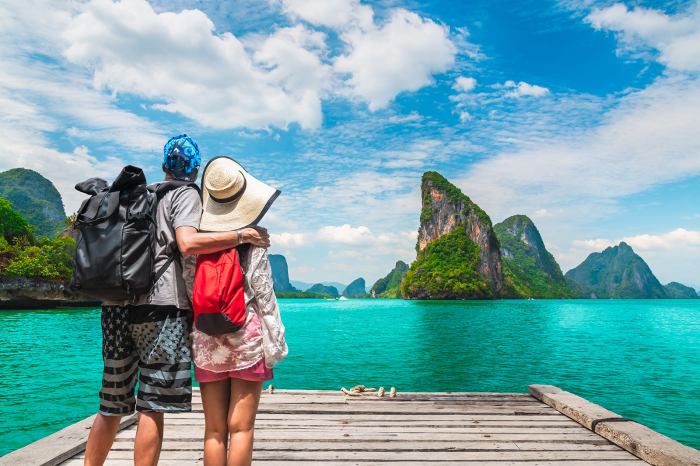
Embark on a journey exploring Backpacking Groups and Tours, where like-minded adventurers come together to discover new destinations and create unforgettable memories. This overview delves into the essence of backpacking groups, highlighting the camaraderie and shared experiences that make these tours truly special.
Discover the allure of backpacking in a group setting, from the benefits of companionship to the opportunities for cultural immersion and exploration. Join us as we unravel the exciting world of backpacking groups and tours, offering a glimpse into a dynamic and engaging way to travel.
Backpacking Groups and Tours
Backpacking groups and tours are organized travel experiences designed for individuals who enjoy exploring new destinations on a budget while connecting with like-minded travelers. These groups typically consist of small to medium-sized groups led by experienced guides who help plan the itinerary and provide valuable insights along the way.
Popular Backpacking Groups and Tour Companies
- 1. Intrepid Travel: Known for its sustainable and immersive travel experiences, Intrepid Travel offers a variety of backpacking tours to destinations around the world.
- 2. G Adventures: With a focus on responsible travel and authentic experiences, G Adventures provides backpacking tours for all types of travelers, from beginners to seasoned adventurers.
- 3. Contiki: Geared towards young adults aged 18-35, Contiki offers fun and social backpacking tours to popular destinations with a focus on adventure and nightlife.
Benefits of Joining Backpacking Groups for Travel
- 1. Cost-Effective: Backpacking groups often negotiate group rates for accommodations, transportation, and activities, allowing travelers to save money compared to solo travel.
- 2. Social Connections: Joining a backpacking group provides an opportunity to meet and connect with other travelers who share a passion for exploration, creating lasting friendships.
- 3. Expert Guidance: Experienced guides lead backpacking tours, offering valuable insights, local knowledge, and ensuring a smooth travel experience without the stress of planning.
- 4. Safety and Support: Traveling in a group provides added safety and support, especially in unfamiliar destinations, giving travelers peace of mind throughout their journey.
Cultural Tourism

Cultural tourism involves traveling to experience the culture, heritage, arts, and lifestyle of a destination. It focuses on immersing oneself in the local traditions, rituals, history, and way of life of a particular community or region. This form of tourism allows travelers to gain a deeper understanding of different cultures and promotes cross-cultural exchange and appreciation.
Examples of Cultural Tourism Experiences
- Visiting ancient temples and historical sites in Japan, such as Kyoto’s Kiyomizu-dera Temple and Nara’s Todai-ji Temple.
- Exploring traditional Berber villages in Morocco’s Atlas Mountains and experiencing local customs and cuisine.
- Attending the colorful Holi festival in India and participating in the vibrant celebrations with locals.
- Taking part in a Maasai cultural homestay in Kenya to learn about the tribe’s traditions, music, and way of life.
Comparison to Other Forms of Travel
Cultural tourism differs from other forms of travel, such as leisure tourism or adventure tourism, by placing a strong emphasis on cultural immersion and education. While leisure tourism may focus on relaxation and entertainment, cultural tourism aims to provide travelers with a meaningful and enriching experience that goes beyond mere sightseeing. Additionally, cultural tourism has a positive impact on local communities by supporting heritage preservation, promoting cultural exchange, and creating economic opportunities for artisans, performers, and small businesses.
Eco-Tourism
Eco-tourism focuses on responsible travel to natural areas that conserves the environment, sustains the well-being of the local people, and involves education. It aims to minimize the impact on the environment and contribute to the conservation of biodiversity.
Key Principles of Eco-Tourism
- Minimize physical, social, behavioral, and psychological impacts.
- Build environmental and cultural awareness and respect.
- Provide positive experiences for both visitors and hosts.
- Provide direct financial benefits for conservation.
Implementation in Tours
- Working with local communities to ensure their involvement and benefit from tourism activities.
- Limiting group sizes to reduce the impact on fragile environments.
- Promoting sustainable practices such as waste reduction and energy conservation.
- Offering educational components to raise awareness about environmental issues.
Impact on Local Communities and Environment
Eco-tourism can have a positive impact on local communities by providing economic opportunities, preserving cultural heritage, and promoting conservation efforts. By supporting sustainable practices and responsible tourism, eco-tourism helps protect natural habitats, wildlife, and ecosystems for future generations.
Culinary Travel
Culinary travel is a unique and exciting way to explore different cultures through their food. It has been gaining popularity among backpackers and tourists who seek authentic experiences and flavors during their travels.
Whether it’s indulging in street food in Thailand, savoring pasta in Italy, or trying exotic dishes in Japan, culinary travel offers a delicious glimpse into the heart of a destination. It allows travelers to connect with locals, learn about traditional cooking methods, and immerse themselves in the culinary traditions of a region.
Destinations Known for Culinary Experiences
- Italy: Known for its pasta, pizza, gelato, and fine wines, Italy offers a culinary paradise for food enthusiasts.
- Thailand: With its vibrant street food scene and aromatic spices, Thailand is a must-visit for those craving bold flavors.
- France: From buttery croissants to decadent cheeses, France is a mecca for pastry lovers and connoisseurs of French cuisine.
- Japan: Explore the diverse flavors of sushi, ramen, tempura, and more in Japan, where food is an art form.
Tips for Incorporating Culinary Experiences into Backpacking Tours
- Research Local Food Markets: Visit bustling markets to sample fresh ingredients, interact with vendors, and get a taste of authentic local cuisine.
- Take Cooking Classes: Learn to prepare traditional dishes from local chefs, gaining hands-on experience and insight into the culinary culture.
- Join Food Tours: Embark on guided food tours to explore hidden culinary gems, taste a variety of dishes, and learn about the history behind local recipes.
- Try Street Food: Don’t be afraid to try street food offerings, as they often provide a glimpse into everyday life and offer unique flavors not found in restaurants.
Historical Travel
Historical travel holds a special allure for backpackers, offering a unique opportunity to delve into the past and connect with different cultures and civilizations. Exploring historical sites allows backpackers to immerse themselves in the rich tapestry of human history, gaining a deeper understanding of how societies have evolved over time.
Popular Historical Sites Visited by Backpacking Groups
Backpacking groups often flock to iconic historical sites around the world, eager to uncover the secrets of the past. Some popular destinations include:
- The Colosseum in Rome, Italy – a symbol of ancient Roman engineering and entertainment.
- Machu Picchu in Peru – a mysterious Incan citadel nestled high in the Andes mountains.
- The Great Wall of China – a monumental feat of ancient defensive architecture spanning thousands of miles.
- Angkor Wat in Cambodia – a breathtaking temple complex that showcases the grandeur of the Khmer Empire.
How Historical Travel Enhances the Overall Backpacking Experience
Exploring historical sites while backpacking adds a layer of depth and meaning to the travel experience. It allows backpackers to appreciate the ingenuity, creativity, and resilience of past civilizations, fostering a sense of connection to the wider human story. By walking in the footsteps of those who came before, backpackers gain a newfound appreciation for the cultural diversity and historical significance of the destinations they visit.
Luxury Travel
When it comes to luxury travel, the experience is all about indulgence, comfort, and exclusivity. Unlike backpacking tours which focus on budget-friendly options and a more rugged experience, luxury travel offers top-notch amenities, personalized service, and exquisite accommodations.
Contrast between Luxury Travel and Backpacking Tours
- Luxury travel provides high-end accommodations such as luxury hotels, private villas, or upscale resorts, while backpacking tours often involve staying in hostels or budget accommodations.
- Backpacking tours emphasize exploration on a budget, while luxury travel focuses on curated experiences, fine dining, and VIP treatment.
- In luxury travel, travelers have access to exclusive activities, private tours, and personalized itineraries, while backpacking tours usually involve more independent exploration and spontaneous adventures.
Growing Trend of Luxury Backpacking Tours
In recent years, there has been a noticeable rise in the popularity of luxury backpacking tours. These tours combine the thrill of backpacking with the comfort and style of luxury travel, offering a unique blend of adventure and extravagance. Travelers can enjoy the freedom and flexibility of backpacking while indulging in high-end accommodations, gourmet meals, and expert guides.
Benefits of Luxury Travel for Backpackers
- Comfort and relaxation: Luxury travel allows backpackers to unwind in luxurious surroundings after a day of exploration, providing a pampering experience.
- Personalized service: Travelers can expect personalized attention, exclusive experiences, and tailored itineraries that cater to their preferences and interests.
- Safety and security: Luxury travel often includes added security measures and assistance, ensuring a worry-free and safe journey.
- Cultural immersion: Despite the luxurious amenities, luxury travel still offers opportunities for cultural immersion and authentic experiences, providing a well-rounded travel experience.
Budget Travel
When it comes to backpacking, budget travel plays a crucial role in enabling travelers to explore the world on a limited budget. Budget travel allows backpackers to stretch their money further, making it possible to visit more destinations and have unique experiences without breaking the bank.
Tips for Budget-Conscious Backpackers Joining Group Tours
- Research and compare different backpacking groups and tours to find the most affordable options that align with your budget.
- Look for group tours that offer shared accommodations, group discounts, and budget-friendly meal options to reduce costs.
- Consider joining off-peak season tours or last-minute deals to take advantage of lower prices and discounts.
- Pack light and carry only the essentials to avoid additional baggage fees and transportation costs.
- Engage with locals and fellow travelers to get insider tips on budget-friendly activities, dining options, and transportation modes at each destination.
How Backpacking Groups Cater to Budget Travelers
Backpacking groups are well-aware of the financial constraints that budget travelers face and tailor their tours to provide affordable yet enriching experiences. Here are some ways backpacking groups cater to budget travelers:
- Offering shared accommodations and dormitory-style rooms to reduce lodging costs.
- Group discounts on transportation, entrance fees, and activities to make the overall tour more cost-effective.
- Organizing budget-friendly meals at local eateries and street food markets to give travelers a taste of the destination without overspending.
- Including free or low-cost cultural experiences, walking tours, and outdoor activities in the itinerary to provide value for money.
- Providing tips and advice on how to navigate each destination on a budget, such as using public transportation, shopping at local markets, and exploring off-the-beaten-path attractions.
Solo Travel
Solo travel offers a unique and liberating experience for those who prefer to explore the world on their own terms. While backpacking in groups can be fun and social, solo travel provides a sense of independence and freedom that is unmatched.
Differences Between Solo Travel and Backpacking in Groups
- Solo travel allows for complete flexibility in itinerary and decision-making, while group travel often requires compromise and coordination with others.
- Solo travelers have the opportunity for self-reflection and personal growth, whereas group travelers may focus more on social interactions.
- Solo travel can be more budget-friendly as individuals have control over their expenses, whereas group travel costs may be shared but can also be influenced by group dynamics.
Advantages and Challenges of Solo Backpacking Trips
- Solo travelers have the freedom to make spontaneous decisions and change plans at a moment’s notice.
- Challenges of solo backpacking include feelings of loneliness, safety concerns, and having to rely solely on oneself for problem-solving.
- However, solo travel can lead to increased self-confidence, cultural immersion, and a deeper connection with the destinations visited.
Solo Travelers Joining Backpacking Groups for Tours
- Joining backpacking groups for tours can provide solo travelers with a sense of community and camaraderie during their journey.
- Group tours can offer safety in numbers, access to local guides, and the opportunity to share experiences with like-minded individuals.
- While solo travel is empowering, joining a backpacking group for certain tours can enhance the overall travel experience and create lasting memories with new friends.
Group Travel
Traveling in groups can offer numerous advantages for backpackers, enhancing their overall experience in various ways.
Enhanced Safety and Security
One of the key benefits of group travel for backpackers is the increased safety and security that comes with traveling in numbers. By sticking together, group members can look out for each other, reducing the risk of getting lost or encountering dangerous situations.
Shared Experiences and Memories
Group travel allows backpackers to share experiences and create memories together, fostering a sense of camaraderie and friendship. Whether it’s exploring a new destination, trying local cuisine, or embarking on an adventure, these shared moments can make the journey even more special.
Cost-Effective Options
Traveling in a group often opens up cost-effective options for backpackers, such as group discounts on accommodations, transportation, and activities. This can help budget-conscious travelers stretch their funds further and make the most of their journey.
Final Review
As we conclude our exploration of Backpacking Groups and Tours, we reflect on the bonds formed, the stories shared, and the adventures embarked upon. Whether you’re a seasoned traveler or new to the backpacking scene, these group tours offer a unique perspective and a chance to connect with fellow explorers. Dive into the world of backpacking groups and tours, where every journey is a collective experience filled with camaraderie and discovery.
Key Questions Answered
What are the benefits of joining backpacking groups?
Joining backpacking groups allows travelers to share experiences, make new friends, and explore destinations in a fun and social environment.
How do backpacking groups cater to budget travelers?
Backpacking groups often offer cost-effective tour packages, shared accommodation options, and group discounts to make travel more affordable for budget-conscious adventurers.
What sets backpacking tours apart from traditional group tours?
Backpacking tours focus on immersive experiences, cultural exchange, and a sense of community among travelers, creating a more engaging and adventurous journey.


